
How to Properly Feed Newborn Kittens: Essential Care Guide
Kittens have special nutritional needs that differ from adult cats. To grow and develop properly, they need high-quality kitten food designed just for their age.
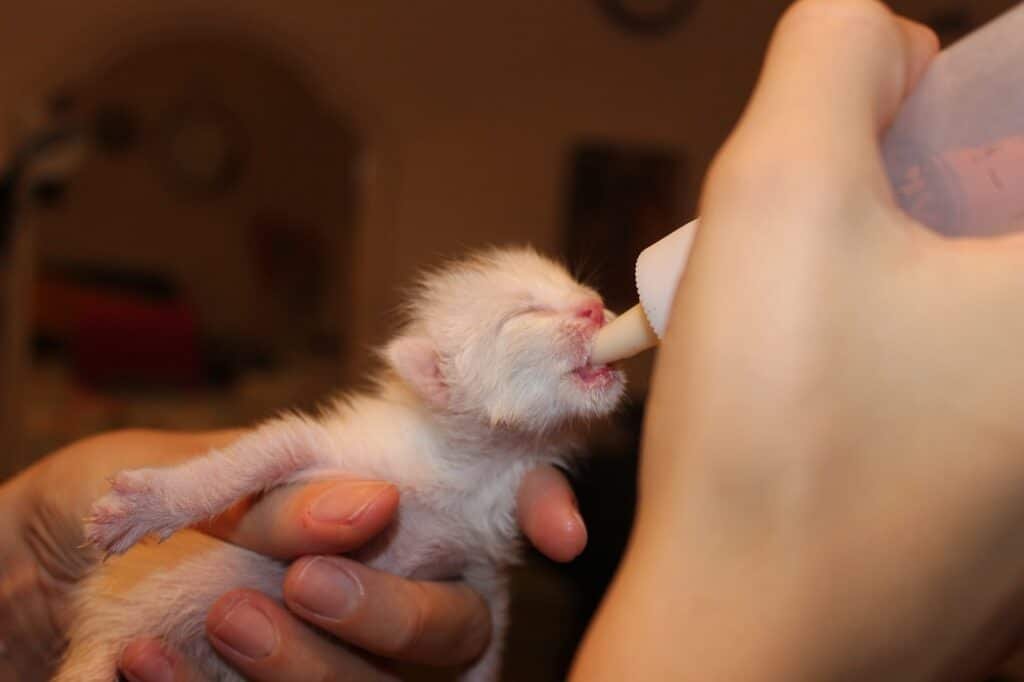
From birth to about 4 to 6 weeks old, a mother cat’s milk provides all the nutrients her kittens require. However, if kittens are orphaned or cannot nurse, it’s essential to give them complete and balanced nutrition yourself. Use a premium kitten milk replacer for bottle-feeding. This supports their immune system, builds strong bones, and helps them stay healthy.
By meeting their specific dietary needs—whether with mother’s milk or a good milk replacer—you set the stage for your kittens to grow up happy and healthy.

This guide covers the basics of caring for kittens, focusing on these key topics:
- How to Feed Newborn Kittens Learn the best ways to feed newborn kittens, whether they are nursing from their mother or need bottle-feeding with kitten formula. You’ll also find out how often to feed, how much to give, and tips for watching their weight gain.
- When to Introduce Solid Food Discover when and how to start offering solid food. This section explains the right age to begin weaning and the steps for moving kittens from milk to wet or dry kitten food. Understanding this process helps ensure your kittens get all the nutrients they need for healthy growth.
- Common Kitten Feeding Mistakes to Avoid Learn about frequent feeding errors, such as overfeeding, underfeeding, using the wrong food, or applying poor feeding techniques. Avoiding these mistakes is important for raising strong, healthy kittens and preventing digestive issues.
With the right approach and attention, you can give your kittens the best start in life.
I. Newborn Kittens: Breast Milk and Kitten Formula Feeding
Why Breast Milk Is Important
For the first few weeks, kittens should nurse from their mother if possible. Cat breast milk contains key nutrients and antibodies that:
- Build strong immune systems
- Protect against infections and diseases
- Prepare kittens for switching to solid food later
If the mother is unavailable, provide a high-quality kitten formula to meet their nutritional needs.
What to Do If the Mother Cat Can’t Nurse
If kittens are orphaned or the mother can’t produce enough milk, you must use a commercial kitten milk replacer (or a properly prepared homemade formula) for kittens aged 0–4 weeks. Essentials:
- Kitten feeding bottle with soft, replaceable nipples
- High-quality kitten formula (never use cow’s milk—it can cause digestive issues)
Feeding Frequency
- Younger than 2 weeks: Feed every 2 hours, including overnight
- Aged 2–4 weeks: Feed every 3–4 hours
- Watch for cues: A well-fed kitten will turn away from the bottle when full.
II. 4–5 Weeks Old: Gradual Weaning and Introduction of Solid Food
When kittens reach about 4 weeks old, begin weaning by introducing solid foods:
- Mix canned kitten food with formula to make a soft, appealing mixture
- Serve in a shallow dish; encourage kittens to lick, and gently place some on their lips if needed
- Let each kitten adjust at their own pace—never force feeding
Continue to bottle-feed kitten formula to support their nutrition and steady growth. Check each kitten’s weight daily or every other day to make sure they are developing well.
At around 4 weeks old, offer a shallow bowl of fresh water. This encourages kittens to start drinking on their own and helps them adjust to life without a bottle.

III. 6–8 Weeks Old: Weaning and Transition to Solid Food
When kittens reach 6 to 8 weeks of age, they are typically fully weaned and ready to start eating solid food. During this transitional stage, it’s important to:
- Feed only kitten-specific food—be sure to look for labels that mention “kitten formula” and “complete and balanced nutrition.”
- Additionally, you can offer a mix of dry and canned food to introduce your kitten to a variety of textures.
- Aim to feed your kitten 3–4 times per day, and regularly adjust both the frequency and the portion size depending on their appetite.
- Above all, always provide a clean, shallow bowl of fresh water, ensuring your kitten has access to hydration at all times.
IV. 8 Weeks–6 Months: Growth Phase Feeding Strategy
As kittens grow between 8 weeks and 6 months, their nutritional needs change even further. During this period:
- Continue feeding three to four meals per day using kitten food that meets AAFCO nutritional standards.
- Then, at around 6 months of age, you can begin transitioning your kitten to twice-daily feeding; this schedule should be maintained until your kitten reaches one year old.
- If you have adopted a kitten from a shelter, it is best to maintain its original diet for a while. This can help avoid sudden changes that may upset your kitten’s stomach.
V. How to Choose High-Quality Kitten Food
Choosing the right food is critical for your kitten’s health. To make sure you select the best option:
- Always check the package label and choose products that are AAFCO-certified and specifically labeled “for kittens” and “complete and balanced.”
- Furthermore, try to avoid switching foods too often, as frequent changes can disrupt healthy digestion and lead to gastrointestinal problems.
- You should also observe your kitten’s mood, energy, and stool quality on a regular basis to confirm that their food is suitable.
VI. Stray Kittens: Emergency Feeding and Veterinary Care
Sometimes, you may come across stray kittens—especially during spring or autumn. In such cases:
- Provide the rescued kitten with age-appropriate formula or kitten food, following the feeding guidelines mentioned above.
- As soon as possible, take the kitten to a veterinarian for a thorough health check and screening for common issues like parasites or other medical concerns.
VII. Kitten Diarrhea: Emergency Care
Diarrhea can occur in kittens due to factors such as parasites, poor diet, or underlying illness. If your kitten develops diarrhea:
- Consider replacing some of their water with an electrolyte solution (such as unflavored Pedialyte) to help replenish lost fluids and nutrients.
- However, if the diarrhea persists or gets worse, it is vital to seek veterinary attention immediately. This will help prevent dehydration and other serious health issues.
VIII. When to Switch to Adult Cat Food
The transition to adult cat food marks another important stage. Once your kitten reaches one year of age:
- Gradually introduce adult cat food, making sure to select a formula that is labeled “complete and balanced” for adult cats.
- It is also important to maintain regular, portion-controlled feeding times rather than allowing unlimited access to food throughout the day.
- If your cat shows a sudden decline in appetite or becomes persistently picky, be sure to monitor their behavior and consult a veterinarian as needed.
Key Points for Raising Healthy Kittens
In summary, from birth through their first year, kittens require more nutrition and attentive care than adult cats. By following these guidelines for proper weaning, selecting high-quality kitten food, scheduling regular weight checks and veterinary visits, and managing emergency health issues, you can ensure your kitten grows up healthy, happy, and well-prepared for adult life.