

Top Ways to Reduce Cat Allergies: Practical Owner Tips
If you love cats but struggle with allergies, “hypoallergenic” cat breeds may offer a good solution. While no cat is entirely allergy-free—since all produce the Fel d1 protein—some breeds shed less and may have lower protein levels. Their coats are also easier to groom, which can help reduce allergens at home.
Choosing the right breed can make it easier to enjoy life with a cat, even if you have mild allergies. In the following section, you’ll discover eight common hypoallergenic cat breeds. With this information, you’ll be better prepared to find the perfect balance between your health and the joy of owning a cat.
1. Sphynx
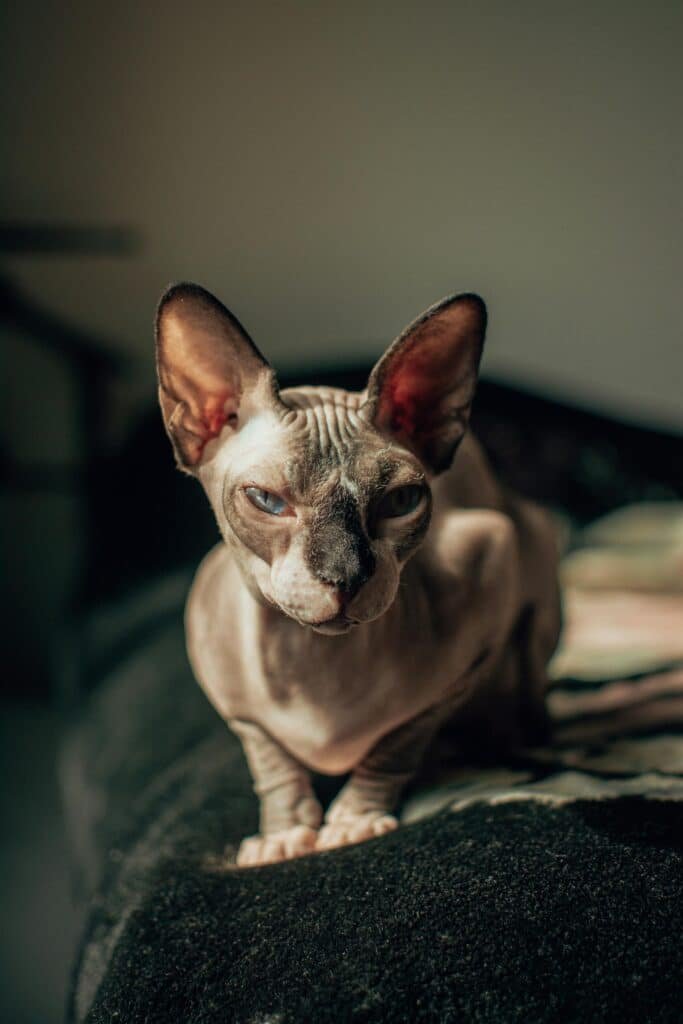
Sphynx cats are almost hairless, with just a fine layer of downy fur that feels like peach skin. Because they lack a traditional outer coat, Sphynx cats need frequent baths to remove excess skin oils. This regular bathing helps control allergens in the home, making them a popular choice for people with mild cat allergies.
Why are Sphynx cats considered hypoallergenic?
- Regular bathing removes dandruff and oils, reducing allergens on their skin.
- Many allergy sufferers notice fewer symptoms when living with Sphynx cats.
- Sphynx cats are friendly and affectionate, enjoying lots of interaction with their owners.
Breed Overview
- Lifespan: 8–14 years
- Height: 8–10 inches
- Weight: 10–12 pounds
- Coat and Color: Fine downy hair; available in many colors (pink, white, black, patterned, etc.)
2. Russian Blue
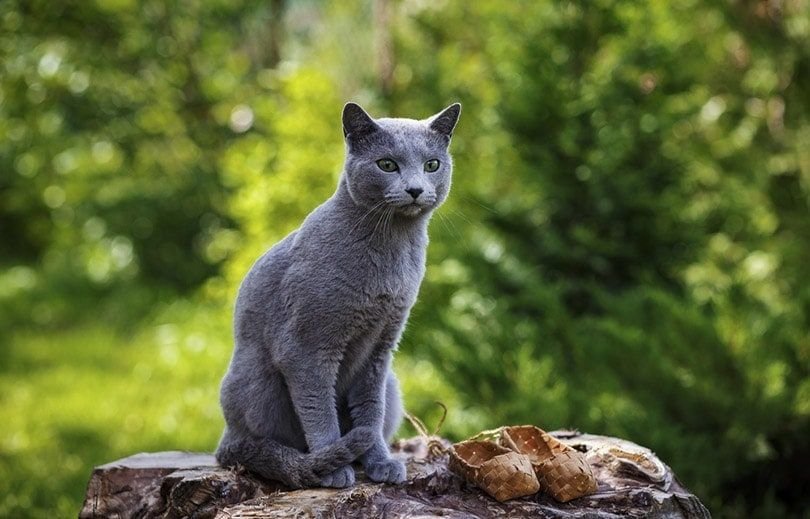
The Russian Blue cat features a short, silky coat with a unique silvery sheen. Known for their quiet and gentle nature, these cats enjoy peaceful indoor living and are a good option for people with mild allergies.
Why are Russian Blues considered hypoallergenic?
- Their short, soft fur sheds less than other breeds.
- Regular brushing helps minimize loose hair and dandruff.
- Many allergy sufferers find their symptoms easier to control around Russian Blues.
Breed Overview
- Lifespan: Up to 20 years
- Height: 8–10 inches
- Weight: 8–12 pounds
- Coat and Color: Short-haired; blue-grey with a silvery sheen
3. Devon Rex
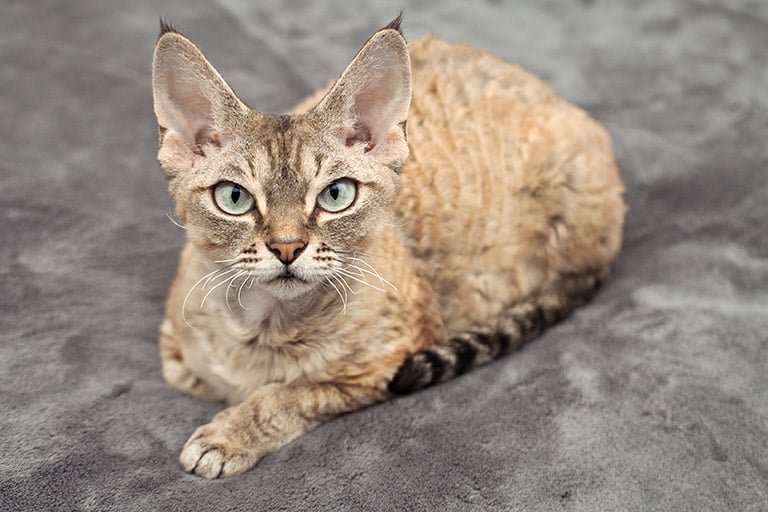
The Devon Rex is instantly recognizable by its soft, wavy curls and elf-like features. These energetic and affectionate cats love spending time with people and seek lots of interaction.
Why are Devon Rex cats considered hypoallergenic?
- Their single layer of short, curly fur sheds much less than double- or triple-coated breeds.
- Regular brushing and cleaning help to keep dandruff and loose hairs to a minimum.
- Devon Rex cats are playful and loving, so they need plenty of companionship and activity.
Breed Overview
- Height: 10–12 inches
- Weight: 8–10 pounds
- Coat and Color: Short, curly fur; available in various colors
- Lifespan: 9–15 years
4. Balinese
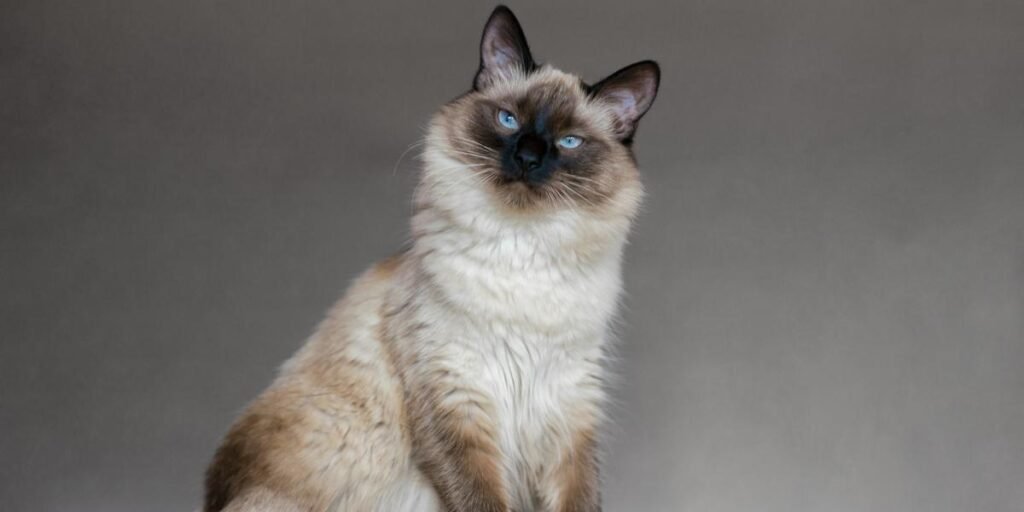
Balinese cats, close relatives of Siamese cats, are graceful and lively. Like their Siamese cousins, they are vocal and love to communicate. Although they have long hair, Balinese cats shed much less than most other long-haired breeds.
Why are Balinese cats considered hypoallergenic?
- Their coats have only a single layer of fur, so they shed less.
- Some studies and reports from owners suggest Balinese cats may produce lower levels of the Fel d1 protein.
- These cats are outgoing, intelligent, and enjoy lots of social interaction.
Breed Overview
- Lifespan: 12–20 years
- Height: 6–7 inches
- Weight: 8–12 pounds
- Coat and Color: Long-haired; creamy white base with pointed colors (seal, chocolate, blue, lilac, etc.)
5. Oriental Shorthair
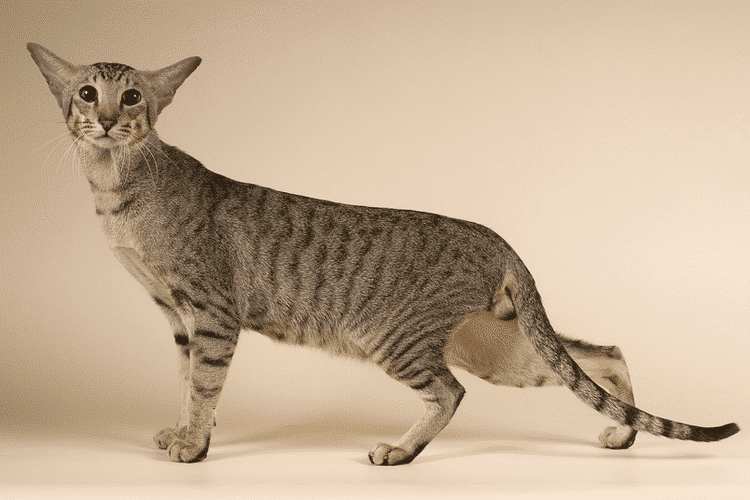
The Oriental Shorthair is a sleek, athletic cat with long lines and large, sensitive ears. Full of energy and playfulness, it thrives on interaction and is always ready for action.
Why is the Oriental Shorthair considered hypoallergenic?
- Its short, tight coat sheds very little.
- Regular brushing and wiping with a damp cloth help remove dead hair and lower allergen levels.
- With many patterns and colors, there’s a look for every taste.
Breed Overview
- Lifespan: Up to 15 years
- Height: 8–10 inches
- Weight: 6–12 pounds
- Coat and Color: Short hair; comes in various colors (white, black, chocolate, red, lilac, etc.) and patterns (solid, tabby, bicolor, tortoiseshell, pointed)
6. Cornish Rex
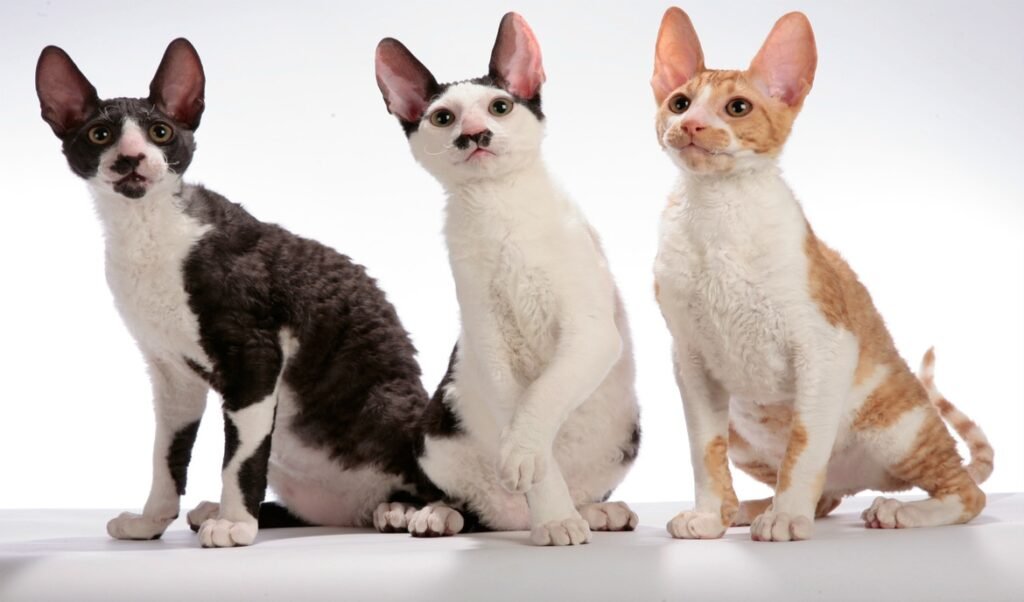
The Cornish Rex stands out with its short, curly undercoat and distinctive look. These cats are curious, energetic, and love to be the center of attention.
Why is the Cornish Rex considered less allergenic?
- With no outer coat, they shed very little.
- They are easy to groom; regular damp wiping or occasional baths help keep indoor dandruff and allergens low.
- These lively, outgoing cats need plenty of companionship and playtime.
Breed Overview
- Lifespan: Up to 20 years
- Height: 12–14 inches
- Weight: 6–10 pounds
- Coat and Color: Short, curly fur; available in many colors and patterns
7. Siberian
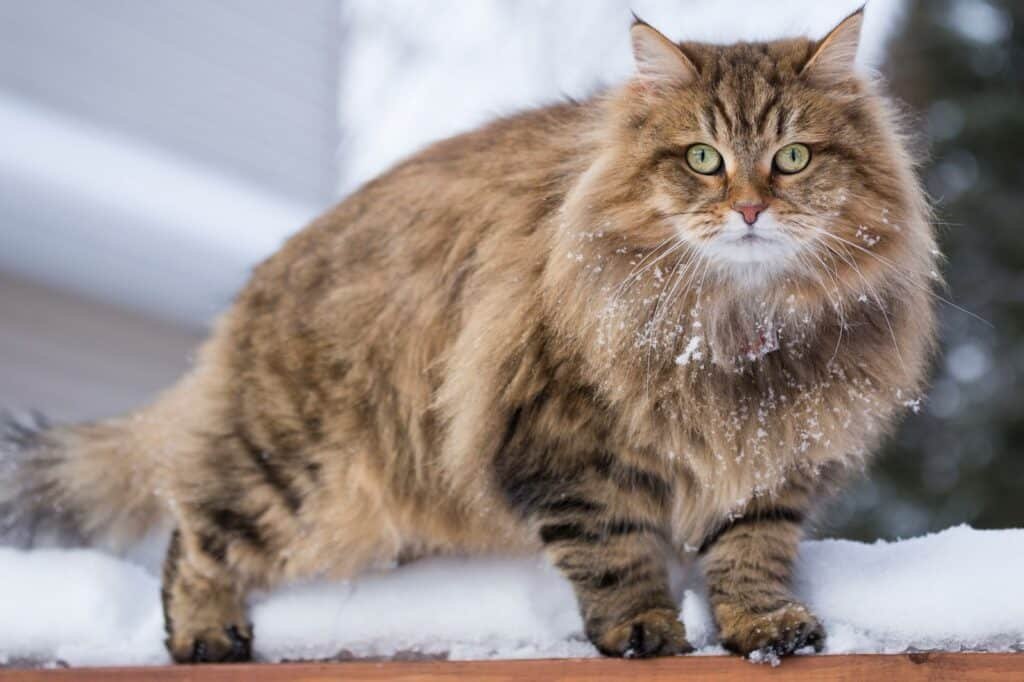
Siberian cats, often called “woodland cats,” are striking with their thick triple coat. Despite this, many owners find they cause fewer allergy symptoms than expected—possibly due to the breed’s naturally lower Fel d1 protein levels.
Why are Siberian cats considered hypoallergenic?
- Studies and owner reports suggest significantly lower levels of the Fel d1 allergen, which triggers most cat allergies.
- They are friendly, intelligent, and can show dog-like loyalty and affection.
- Reactions to Siberians still vary by individual, so some people may experience symptoms while others do not.
Breed Overview
- Lifespan: 10–18 years
- Height: 9–11 inches
- Weight: 10–20 pounds
- Coat and Color: Long-haired, triple coat; comes in many colors and patterns
8. Selkirk Rex
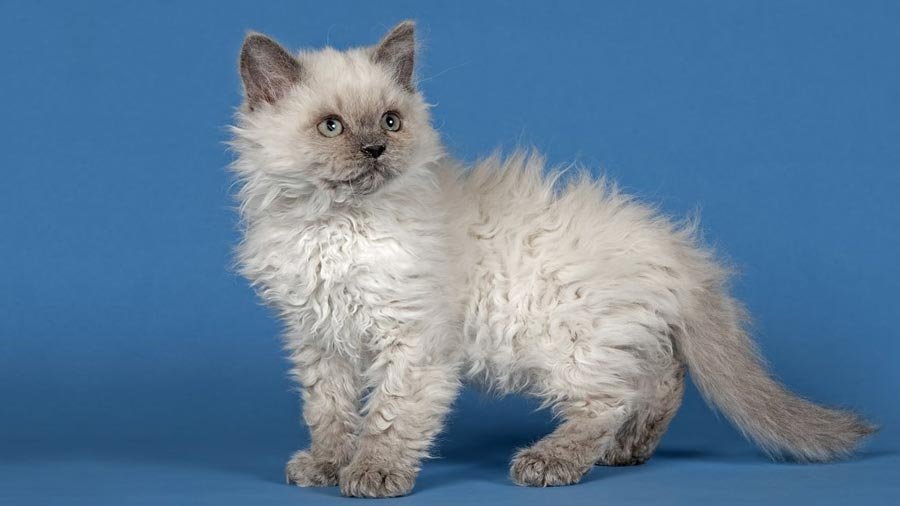
The Selkirk Rex is known for its gentle temperament—calmer than both the Cornish Rex and Devon Rex. Its distinctive curly coat requires regular care but sheds less than most long-haired cats.
Why is the Selkirk Rex considered hypoallergenic?
- The curly fur reduces shedding compared to typical long-haired breeds.
- Selkirk Rex cats are calm and friendly, making them easy companions.
- Consistent brushing (at least twice a week) and a clean environment help remove dead hair and limit allergen buildup.
Breed Overview
- Lifespan: Up to 15 years
- Height: 9–11 inches
- Weight: 9–16 pounds
- Coat and Color: Short or long, always curly; all colors and patterns possible
How to Further Reduce Cat Allergies at Home
1. Clean and Ventilate Frequently
- Allergens easily stick to carpets, sofas, and bedding. Regularly wash or replace these items.
- Use an air purifier equipped with a HEPA filter to effectively capture airborne dander.
2. Groom Regularly and Bathe Moderately
- Hairy breeds (e.g., Russian Blue, Devon Rex): Brush 1–2 times per week to minimize loose fur.
- Hairless or sparsely haired breeds (e.g., Sphynx): Bathe regularly to remove skin oils and dander.
3. Choose Suitable Cat Litter and Cleaning Products
- Opt for low-dust cat litter to reduce airborne particles and allergy risk.
- Select mild, low-irritant grooming products to maintain your cat’s skin and coat health.
4. Consult an Allergist
- If symptoms remain, seek allergen testing and medical advice.
- Veterinarian-recommended antihistamines or immunotherapy may help people and cats live together comfortably. Always conduct a short trial exposure period first.
5. Pre-Adoption Precautions
- If severe symptoms occur, promptly consider your ability to continue pet ownership.
- Spend brief periods with the same breed before adopting to check for allergic reactions.