
Puppy Care Guide: A Must-Read for New Owners
Raising a puppy is like nurturing a child; it requires careful attention and the right methods. This guide provides a comprehensive overview for new dog owners.
I. Dietary Management (The Foundation of Health)

A puppy’s diet directly impacts its development and health. Here are the key points:
- Feeding Schedule:
- 2-3 months old: 4 meals a day (breakfast, lunch, dinner, late snack).
- 3-8 months old: 3 meals a day.
- Over 8 months old: 2 meals a day (morning and evening).
- Portion Control: Feed until the puppy’s belly is slightly rounded, usually about a handful of dog food per meal. Adjust according to the breed.
- Food Choices:
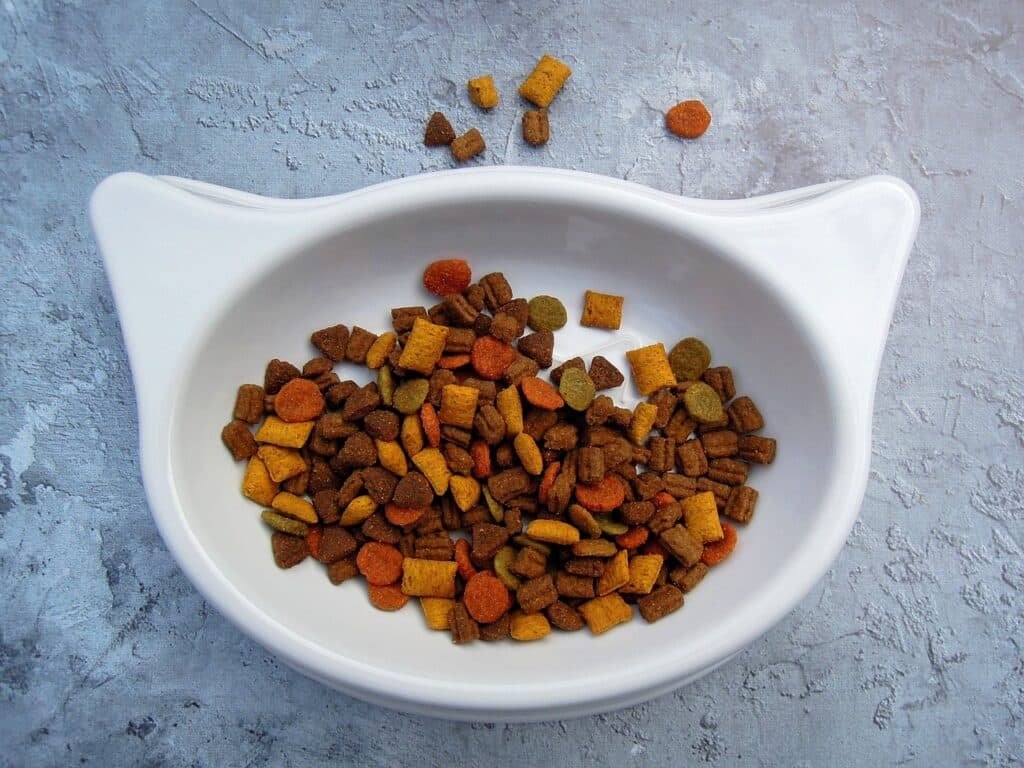
- Staple Food: High-quality, nutritionally balanced puppy food.
- Supplementary Food: Cooked (unseasoned) meat, eggs, vegetables.
- Snacks: Give in moderation, such as dog chews or small treats.
- Drinking Water: Provide fresh, clean water at all times. Change the water 2-3 times daily.
- Key Precautions:
- DO NOT feed human food, which is often too salty or oily and can cause digestive issues or excessive shedding.
- DO NOT feed milk. Many dogs are lactose intolerant and may develop diarrhea. Opt for goat milk or pet-specific milk.
- DO NOT feed chicken bones, fish bones, or other sharp bones that can splinter and injure the digestive tract.
- Avoid raw meat to prevent parasites and bacterial infections.
II. Exercise Guidelines (Build a Strong Body)

Proper exercise is crucial for a puppy’s physical and mental well-being.
- Controlled Exercise: Puppies, especially large breeds under 5 months old, should not engage in intense running or jumping to protect their developing joints.
- Suitable Activities: Leashed walks, playing with toys, and socializing with other friendly, vaccinated dogs.
- Exercise Duration:
- Small breeds: 3-4 walks per day, 10-20 minutes each.
- Medium/Large breeds: 2-3 walks per day, 20-30 minutes each.
- Adjust based on your dog’s individual energy level and breed characteristics.
- Key Precautions:
- Avoid strenuous exercise immediately before or after meals.
- Be extra cautious in extreme weather (hot or cold).
- Always clean up after your dog during walks.
III. Training & Education (Shape Good Behavior)

Training should start early, using positive reinforcement methods.
- Potty Training:
- Puppies usually need to relieve themselves after waking up, eating, or playing.
- When you see them circling or sniffing the ground, take them immediately to their designated “potty spot” (e.g., a pee pad or outdoor area).
- Reward and praise them enthusiastically immediately after they eliminate in the correct spot.
- Socialization Training:
- After completing vaccinations, gradually expose your puppy to different environments, people, and other friendly, healthy dogs.
- This helps build confidence and prevents fearfulness or aggression later in life.
- Basic Obedience:
- Start with simple commands like their name, “Come,” “Sit,” and “No.”
- Use treats and praise as rewards. Keep training sessions short (5-10 minutes) and fun.
- Key Precautions:
- Be patient and consistent. Never scold or hit your puppy.
- If your puppy misbehaves, use a firm tone and the “No” command. Correct the behavior at the moment it happens.
IV. Daily Care & Grooming

- Bathing: Do not bathe your puppy within the first week of bringing it home or before vaccinations are complete. Use warm water and pet-specific shampoo.
- Grooming: Brush your puppy’s coat daily to prevent matting and remove loose hair.
- Nail Trimming: Trim nails regularly to avoid overgrowth, which can affect walking and cause injury.
- Ear Cleaning: Check and clean ears weekly to prevent infections.
- Deworming: Follow your vet’s advice for internal and external deworming schedules.
- Vaccinations: Follow the recommended vaccination schedule (e.g., 6-8 weeks for the first round) to protect against common diseases.
V. Things to Avoid
- Do not suddenly change your puppy’s diet.
- Do not let your puppy climb up and down stairs.
- Do not encourage jumping on people.
- Do not disturb your puppy while it’s eating or sleeping.
- Do not use violence for training or discipline.
Raising a dog is a long-term commitment filled with responsibility and love. We hope this guide helps you and your new furry friend start your journey together happily and healthily!